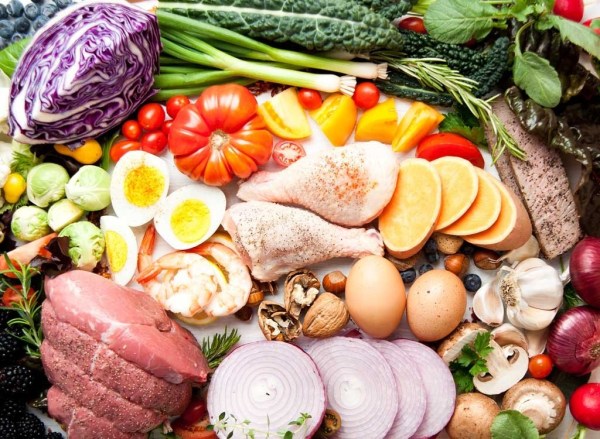
Aside from the tomatoes shown above (we’ll discuss those later), all the other foods shown are ideal for meeting the nutritional needs when treating osteoporosis naturally, though these are not inclusive. Most of all, it is important when considering foods to eat, to remember that
“We are not only what we eat, but what our food eats!”
DKJ
It is therefore important to get the best whole food possible. Organic, wild-caught, pasture-raised, whole foods. This is what heals best. If your food is not “clean,” it can’t do the job as well as organic food that is. Some cells in the body take up to seven years to be replaced; you want the best you can get through those years! So what should you eat?
FATS
Fat is needed, both for a healthy brain but also for the many fat-soluble vitamins (A, D, E, & K) as well as Essential Fatty Acids. I know this raises concerns with some about cholesterol, but it needs to be understood, cholesterol should be of less concern. Even the USDA changed their guidelines in 2015 to say, exactly that, 1 and without sufficient cholesterol, you cannot make and distribute hormones properly, 2 which are essential to one’s overall health and that of their bones.3 Healthy Fats (all but artificial high Omega-6 Trans-Fats) are needed by the brain, which is approximately 90% fat. Meat sources that are pasture-raised and wild-caught fish are especially high in vitamins D3 and K2, both of which are needed for building bones. In fact, it is said that only two slices of pasture-raised bacon (should be uncured) have as much as 560 I.U. of D3, not found in Concentrated Animal Feeding Operation (CAFO) raised pork. Pasture-raised leaf lard has 500 I.U. per tsp. So getting sufficient healthy fats is important to your overall health and that of your bones. Hard cheese (most hard cheese is from raw milk) has 76 mcg per 100 grams (3.5 oz) or many times more when pasture-raised.
Ideal sources for fats are (Avocado Oil, Coconut Oil, Ghee, all of which have very high smoke and breakdown points); as well as (Lard, Schmaltz, Tallow), which should be from organic, pasture-raised sources) for the most D3 and K2, especially. Olive oil is also acceptable but has a lower smoke point (not that cooking should be done at high temperatures); however, care should be taken in choosing olive oil, as much is tainted and blended with rancid nut oils. Avocado and olive are great for cold use as in salad dressings.
FERMENTED FOODS
Why fermented foods? Some of the most important foods you can have in your diet are “fermented” foods.
The Benefits of Fermented Foods are powerful!
- Antioxidants – These help to neutralize and eliminate “free radicals”, staving off aging and cell damage.
- Enzymes – Offer the increased ability for you to absorb nutrients, reducing the need for vitamin and mineral supplements.
- Probiotics – The good bacteria created during fermentation help restore balance in the gut and aid in digestion and immune health.
- Safety – The lactic acid created during the fermentation process kills E. coli, making it safer to consume than raw vegetables.
- Preservation – The Lacto-fermentation process stores and maintains food longer than canning without depleting nutrients.
- Nutrition – The fermentation process increases the nutritional value by enriching certain nutrients. 3
That means better nutrient absorption and immune health as the gut makes up over 70% of the immune system. But note that not all fermented foods, though good for gut health, are as good for the bones. I speak mostly of Vinegar and Kombucha here, but can include Jun Tea as some are mixed with kombucha. Kombucha has become an extremely popular drink in recent decades. Unfortunately for those with osteoporosis, Kombucha, like vinegar, has acetic acid, which should be avoided. Though these are fermented, they do not contain actual “probiotic” cultures, though they do have beneficial acids, like lactic acid. 4 The negative aspects of kombucha and vinegar are discussed further in the Antinutrients section below.
Many are familiar with yogurt, but most yogurt is not ideal when it comes to fermented foods. Commercial yogurt is, first of all, pasteurized. This means the enzymes capable of “helping” to digest the milk proteins will have been destroyed. Most commercial yogurt has added sugars and cheap synthetic vitamins. The cultures found in most commercial yogurts are also lacking. Kefir, another fermented dairy product, is also familiar to many. It, too, when made commercially, is much the same as yogurt, with one exception, as most have more cultures than yogurt. Yogurt and Kefir are better when homemade without all the sugars and unhealthy additives.
Water kefir is another fermented product that some choose, but most have much more sugar than dairy kefir and should be avoided.
Sauerkraut is another fermented food that almost everyone knows about; some with a love/hate relationship. It is said that 1/4 cup of sauerkraut has more cultures than a whole bottle of Probiotics.4 Of course, some of the more recently produced Probiotics have extremely high counts of both strains and CFUs. Other foods can be fermented, as sauerkraut such as crocked pickles (without vinegar), and other veggies. Kvass is a beverage made by fermenting vegetables or fruit in salt water. You can learn more about what foods are fermented and how they’re made in “Fermented Foods,” but remember, not all are good in all areas of health, which we’ll cover more in the Antinutrients section below.
Since we’re on fermented foods, some will ask about Probiotics. There are many Probiotics out there, and some of the better Probiotic supplements I’ve put into “Natural and Produced Probiotics,” but the best for addressing osteoporosis are found in “Probiotics For the Bones.” With the mention of probiotics comes the inclusion of many with “prebiotics.” Prebiotics are special plant fibers that help healthy bacteria grow in your gut. This makes your digestive system work better.5 They act like fertilizers that stimulate the growth of healthy bacteria in the gut. Prebiotics are found in many fruits and vegetables, especially those that contain complex carbohydrates, such as fiber and resistant starch. 6 However, some should check with their natural physician before using them, such as those with IBS or SIBO (Small Intestinal Bacterial Overgrowth may have trouble including them. 7 Common sources for prebiotics are Inulin, Chicory Root, Jerusalem Artichoke, Garlic, and others.8 However, some sources say they don’t need to be included in your Probiotic as most will get enough fiber from their diet, but you will find some Probiotics to include Prebiotics.
FRUITS
Fruit is a great whole food, but one that most are grown with harmful sprays and chemicals if not organic. Many have also been genetically modified and need to also be obtained either as certified organic/non-GMO or non-GMO Project Verified to ensure.
When it comes to fruit, one can expect some good, healthy nutrients, but it also needs to be kept in mind that the sugar in most fruit is the same as table sugar; sucrose (half glucose, half fructose) 9 and will hinder vitamin C as well as mineral absorption for hours. 10 Those lowest in sugar (glucose/sucrose) are melons. You can see which have the least sugar in “Understanding Fruit Sugars“.
Another problem with fruit is that some contain citric acid, which you should avoid if you want to keep all the minerals you work hard to obtain. In what is called “buffering,” citric acid, even the lower levels found in some fruit, can pull minerals from the bones. While this may not be as extensive as large quantities or synthetic citric acid/Citrate, it does have some effect. So avoiding is wise, and restricting fruit to those without any or insignificant levels is suggested. 11 Fruit with significant citric acid includes all berries (except Blueberries), all Citrus (lemons, limes, oranges, clementines, tangerines, grapefruit, etc.), Drupes (stone fruit – Apricots, Cherries, Nectarines, Peaches, Plums, etc.), Kiwi, Pineapple, Pomegranate, Tamarind, and Tomatoes. More on Citric Acid is covered in the Antinutrients section.
GRAINS & PSEUDO-GRAINS
Some foods may be best to avoid altogether. While I don’t consider grasses as vegetables, some are categorized as such, like corn, but to be clear, it too is a grain. Grains (grasses) are fine for horses and cows, but they are not suitable as human food. Grains such as wheat, rye, barley, etc., are high in gluten, agglutinins, gliadin, and Amylase Trypsin-inhibitors (ATIs) and are heavy contributors to gut damage (Leaky Gut). All grains have high levels of many antinutrients. There are also Pseudo-grains such as Amaranth, Buckwheat, Kañiwa, Millet, Quinoa, etc. These have high levels of lectins and saponins, which are also found in most grains and can cause as much damage as the antinutrients in bold print above. Even Corn and Oats have gluten proteins (Zein and Avenins, respectively) as well as other antinutrients common to grains. 12
Additionally, most of these, if not certified organic, will have been sprayed with RoundUp as the Glyphosate enhances and speeds the ripening of the seed heads and is therefore sprayed right before harvest. And many have been genetically modified, especially Wheat, Rye, Barley, and Corn, to withstand the effects of Glyphosate. Most are also genetically enhanced to withstand Glyphosate, so they don’t die along with the weeds.
Another major problem with grains is that they also contain Phytates (phytic acid), which also block minerals from being absorbed. Possibly worse than oxalate in that phytates not only block minerals in the foods that contain the phytic acid, but also any other foods you eat with minerals in them, as well as supplements. This “may” be true of oxalates as well, but all sources don’t agree. Most also contain oxalic acid. 12
LEGUMES & PULSES
Legumes are, in my opinion, best avoided. Most legumes are very high in a variety of antinutrients, such as Phytic acid and oxalic acid, which can hinder mineral absorption. They also tend to contain lectins, saponins, and other anti-nutrients. Some also are phytoestrogenic, which can throw off hormones, with soy being the highest. Legumes cover many foods, some of which are pulses. Pulses are the edible dry seeds found in some legumes. Beans, chickpeas, lentils, peas, soy, and peanuts are legumes/pulses, but soy and peanuts differ in that they contain fat, which pulses do not.13
If you choose to consume these, care should be taken to pre-treat before using by soaking, cooking in water, rinsing, or getting sprouted, which will reduce but not eliminate all antinutrients. We’ll cover more on lectins and such later in Antinutrients.
Those who would like to check out a lectin-free diet can do so here: https://lectinfreemama.com/lectin-free/
Foods with lectins and lectin-free foods: https://www.mentalfoodchain.com/foods-high-in-lectins/
PROTEIN
You need Protein from appropriate sources and probably more than most get in their diet. As you can read in the linked article, meat/fish is what is found to be most beneficial for osteoporosis according to studies (see linked article). However, the ideal choices for meat/fish are as follows: “One-legged” (fish), which should be consumed most often. The best fish for OP are those with rich omega-3 fatty acids in the meat, such as salmon, herrings, anchovies, and sardines. Others also have benefits. “Two-legged” sources should be ingested second most frequently, which includes all poultry and includes Emu, Ostrich, etc. And last, “Four-legged” should be the least consumed but not avoided altogether, and should be sourced from wild game or pasture-raised farms. Fish and Seafood products should be wild-caught, not farm-raised. Farm-raised fish/seafood are often fed antibiotic and chemical-laden food. Meat and poultry products should be organically raised in open pasture, feeding on organic grass and/or bugs in the soil; natural food on the ground, etc., not in an enclosed environment where they get no sun or fresh air, such as in a CAFO (Concentrated Animal Feeding Operation). For “how much” protein, what kind is best, and foods with values, see the article link above.
While some dairy is fine in limited amounts and from the right sources, most dairy, in general, is not an ideal source of protein. Most dairy is pasteurized, some homogenized (man-made), has added carbonate calcium, added synthetic vitamins A & D, and most of the enzymes found in raw milk have been destroyed, making it much harder to digest, and we don’t have four stomachs like cows to process it as they do. Dairy has also been shown to offer only a 1% increase in bone mass for a year, then stops or tapers off over the next few years.14
Cheese should also be organic, pasture-raised, and from raw dairy or show as “non-pasteurized” or cultured from raw” on the label. Cheese is high in vitamin K2 as well as A & D when properly sourced. Another good source of dairy is Kefir, but again, it should be from raw, organic, pasture-raised sources.
Although most “protein mixes and shakes” are a thing to avoid, bone broth, organ meat complexes, and collagen are very good sources. However, these need to have all 9 essential amino acids to make them complete proteins. Most plant proteins are not complete. Most “protein powders” are made with high antinutrient legumes such as soy and pea protein, and most often with added synthetic and artificial ingredients and other antinutrients. 15
VEGETABLES
Vegetables should also be organically raised without chemical sprays like Round-Up with Glyphosate, which is known to cause cancer. Avoiding GMO vegetables is also wise. You want to get as many colors and varieties of vegetables as possible while doing what you can to avoid or at least limit those high in antinutrients.
While greens are very high in minerals like iron and calcium, they are also high in oxalate (oxalic acid), which will block some of the minerals from being absorbed. For this reason, not all the minerals in them can be counted in one’s daily intake. This makes it harder to determine precisely how much of certain minerals one is actually getting. Therefore, keeping these restricted will provide more absorption of the minerals needed to build new bone.
Some vegetables and foods are also high in other antinutrients like lectins and saponins (not all of which are bad), but Beans, Potatoes, Spinach, and Tomatoes are some that have both, which is common. The problem with lectins and saponins, as discussed in this “Antinutrients” article, is that they can damage the gut lining and lead to Leaky Gut, one of the causes of Osteoporosis.
Some vegetables promote inflammation, while others are anti-inflammatory. We’ll cover nightshades later in Antinutrients and Nightshades and Inflammation. For now, just know that foods with nightshades, lectins, gluten, and other proteins can cause inflammation. Since inflammation is the primary enemy of both health and healing, it’s important to do everything possible to avoid and eliminate inflammation.
Foods that promote inflammation are grains, sugars, conventional dairy, nightshades, and certain foods with other antinutrients. Foods with neurotoxins like MSG, chemical additives, processed foods, refined carbohydrates, and excess alcohol should always be avoided as well.
Anti-inflammatory foods include organic vegetables, fruit (properly timed with supplements and excluding those with citric acid); high-fat fruits like avocados and olives, healthy fats (avocado, olive, coconut oil), fatty fish (salmon, sardines, herring, mackerel, and anchovies), Nuts (treat for antinutrients), dark chocolate, herbs like turmeric, fenugreek, cinnamon, etc.) green tea, and red wine (up to 5 ounces (140 ml) per day for women and 10 ounces (280 ml) a day for men. 16
ANTINUTRIENTS IN FOODS
It would be impossible to list all the antinutrients here that are found in food. And to be honest, unless you follow a carnivore diet, you cannot escape them entirely. Almost every plant has one or more. Some may be more concerning, especially those that are of a synthetic or artificial nature, made in a lab. The key to living with antinutrients is simply to keep them as limited as possible. Those you cannot or choose not to try to eliminate can be managed in many cases by either pre-treating, such as soaking, or in cooking, as in boiling, in some cases, with more than one exchange of liquids, and rinsing. In the case of Phytates, one can use Phytase (a type of enzyme that catalyzes the hydrolysis of phytic acid)17 to offset or neutralize the effects. Unfortunately, there is no such thing as addressing Oxalic acid.
Citric acid, found naturally, and Citrate, 18 as well as other synthetic forms, in processed foods and supplements, have many side effects. Citric acid is no longer made from citrus as it was before WWII, but is now made from primarily GMO sugar beets by growing Aspergillus (black mold) on the sugar beet medium or corn starch. Dr. Robert Thompson, author of “The Calcium Lie II”, states that Citrate (synthetic citric acid), when mixed with calcium (which is always in the blood), creates kidney stones. Citrate is known to cause kidney damage with long-term use. You can read more about the side effects of Citric Acid/Citrate in the Antinutrients list, as well as ACIDS.
Also found in the list is Ascorbic Acid, which you can also read more about in “What is Vitamin C?“, and WHY NOT (SYNTHETIC) ASCORBIC ACID?”, and “EVER MET IDENTICAL TWINS?” In short, synthetic ascorbic acid destroys gut flora and has many other side effects that can hinder both health and healing.
Vinegar is a food product that, though fermented, has some drawbacks. Vinegar has both acetic and citric acid and has the same effect, which causes “buffering” that pulls minerals from the bones. 19 Though some have trouble buying into this, I offer this point of nutritional evidence. Many know that (ACV) Apple Cider Vinegar is used in making bone broth for the simple reason that it “draws minerals from the bones.” 20 21
Oxalate (oxalic acid) has been briefly discussed, but you will find these in all legumes, most grains, most nuts, and seeds, as well as most plants. As I mentioned earlier, unless you follow a carnivore diet, you cannot escape them. The best you can do is take steps to get more of the minerals that might be hindered from being absorbed, pretreat, and take precautions when cooking to compensate. However, it should be obvious that the fewer you have in your food and/or supplements, the less you need to compensate for.
Phytates (phytic acid) can be countered by Phytase for the most part, but the problem with phytates is that the foods that contain them in high concentrations also have all or most of the other antinutrients (oxalates, lectins, saponins, tannins, gluten, agglutinins, gliadin, ATIs, etc.). So while one can counter phytic acid, the others require extensive pre-eating steps to reduce the levels.
Caffeine is a food product (and conditional antinutrient) that can cause issues. Too much caffeine in coffee, tea, and chocolate can hinder vitamin and mineral absorption. There are claims that it hinders vitamin C and D, both of which are extremely important in treating osteoporosis naturally and getting calcium and more to work. It also hinders many minerals, including but not limited to calcium, manganese, and iron, 22 but it also increases the excretion of magnesium, potassium, sodium, and phosphate, most of which are needed to maintain bone mass. 22 23
Caffeine is a natural diuretic. 24 Diuretics are not recommended for those with osteoporosis as they can increase the production of urine by the kidneys, removing calcium, potassium, and magnesium salts from the body. 25 26
Sugar is not really what I consider to be a “food.” Dr. Llaila O. Afrika said, “Sugar is a drug.” Sugar hinders vitamin C by 75% for up to six hours and many minerals for almost as long. 27 Some sources affirm it hinders vitamin C absorption. 28 29 30 31 Then we have the claims of sugar hindering mineral absorption. 32 33
Sugar is also said to cause inflammation, which again hinders healing and is thought to diminish bone health. 34 35
And according to at least one source, it can rob the bones of nutrients like calcium, potassium, and magnesium, and it may even prevent the body from metabolizing vitamin D. 36 37
Processed and packaged foods are another source of antinutrients, from synthetic vitamins, to cheap minerals to various forms of MSG and other known toxins, to citric acid and a boatload of chemicals. It is best to avoid processed foods and stick with whole foods.
According to the writers for AlgaeCal, foods to avoid or limit include cakes, candy, canned soup, juices, biscuits, granola bars, and pasta sauces. While I don’t agree with some things written by writers for AlgaeCal, I do agree with these foods, but find the list a bit lacking. 38
In summation:
So what should you eat? If you remember – We are not only what we eat but what our food eats, then you want whole organic food – no chemicals, no additives, no antinutrients added, just good wholesome food that has had a clean diet as well. Most of our great-grandparents, and as far back as our primal ancestors, had great bones, and they ate what they could catch, pick, or dig. History affirms this. 39 We need organic whole food. Until the 1950s, this was mostly what we had. Spinach, as an example, that was grown in the 1960s still had 50% more iron than what is grown today.
As for antinutrients, as I state in my article “Living With Antinutrients“, “Ingesting Antinutrients is like being afloat in a boat with a hole in it; you can plug the hole or spend your time bailing yourself out of danger.” My suggestion: Since it’s almost impossible to get away from all of them, is to do your best to avoid all you can, properly prepare those you choose to take in, do what you can to compensate for any lack or loss, and move on.
Limit your caffeine in beverages and food (though chocolate is good for the mood and much more) and avoid excessive diuretics. That includes tea, which (green tea) is good for the bones, even though it also has oxalates.
If you really want to heal, get sugar out of your life. Natural sweeteners may not be as bad in some eyes, but sugar is sugar, and while some, even in fruit and natural sweeteners, can be mildly harmful, excess certainly is, and most common diseases (conditions), i.e., heart disease, fatty liver disease, diabetes, cancer, etc., and inflammation are due to the negative effects of sugar.
As one member of my osteoporosis group has said, “Your bones are not made of drugs (which is the first thing doctors suggest). They are made of “minerals” – and to that, I add “collagen/protein” (the primary nutrient in your bones) and it is these you need to get in the appropriate amounts so you may continue to rebuild your bones and maintain the structure that holds you together in the most optimal state.
Here’s an additional word from Dr. Ken D. Berry, M.D., on Osteoporosis, offered here more so to the dietary factor, though it covers more than just food. But it reinforces the statements above beginning at the 11:13 mark.
Written by Douglas K. Johnson – Life, Health and Wellness Coach, Herbalist, Nutritionist, Nutritional Investigative Journalist, and Author
[This is a page from “Opening the Doors to Reversing and Healing Osteoporosis“. As all content is copyrighted. No permissions are given to copy, print, share digitally, or otherwise.]
©Douglas Kent Johnson 2025
References & Citations:
- https://www.washingtonpost.com/news/wonk/wp/2015/02/10/feds-poised-to-withdraw-longstanding-warnings-about-dietary-cholesterol/?fbclid=IwAR0zuREilYrsDKl_4Np1GaGF8H7YoTYubExUkUFK01nHwEDPqtoLoVyjcAw
- https://metabolichealing.com/cholesterol-your-body-is-incapable-of-making-hormones-without-it/?fbclid=IwAR3iDu52QJor25TSPSM7iND3-39G-1UXbZ3Nw2Z7MGk3nPXLRNcCQAF-dtc
- https://toyourhealth979994037.wordpress.com/2020/03/30/fermented-foods/
- https://www.nourishingplot.com/2014/01/16/each-mouthful-of-sauerkraut-contains-billions-of-probiotics/
- https://www.webmd.com/digestive-disorders/prebiotics-overview
- https://www.mayoclinic.org/prebiotics-probiotics-and-your-health/art-20390058
- https://www.verywellhealth.com/prebiotics-and-ibs-1944748
- https://www.healthline.com/nutrition/19-best-prebiotic-foods#TOC_TITLE_HDR_5
- https://toyourhealth979994037.wordpress.com/2020/11/04/understanding-fruit-sugars/
- https://toyourhealth979994037.wordpress.com/2017/04/02/ever-met-identical-twins-vitamin-c/
- https://toyourhealth979994037.wordpress.com/2021/01/12/acidity-alkalinity/
- https://toyourhealth979994037.wordpress.com/2016/02/03/some-believe-the-only-problem-with-grains-that-they-contain-gluten/
- https://paleofoundation.com/complete-list-of-grains-and-pseudograins/
- https://naturallybetterbones.wordpress.com/opening-the-doors-to-reversing-healing-osteoporosis/12/
- https://www.health.harvard.edu/staying-healthy/the-hidden-dangers-of-protein-powders
- https://www.healthline.com/nutrition/anti-inflammatory-diet-101#foods-to-eat
- https://en.wikipedia.org/wiki/Phytase
- https://toyourhealth979994037.wordpress.com/2019/10/15/antinutrients/
- https://toyourhealth979994037.wordpress.com/2021/01/12/acidity-alkalinity/
- https://www.alesstoxiclife.com/health/benefits-using-apple-cider-vinegar-making-bone-broth/
- https://www.thehealthyhomeeconomist.com/bone-broth-calcium/
- https://www.fitday.com/fitness-articles/fitness/feeling-nauseous-these-tips-may-help-alleviate-the-symptoms.html
- https://www.livestrong.com/article/536960-does-coffee-deplete-nutrients/
- https://www.livestrong.com/article/294664-diuretic-effects-of-caffeine/
- https://americanbonehealth.org/bone-health/medications-that-can-be-bad-for-your-bones-2/#diuretics
- https://www.sciencedirect.com/science/article/pii/S8756328220302556
- https://toyourhealth979994037.wordpress.com/2017/04/02/ever-met-identical-twins-vitamin-c/
- https://www.youtube.com/watch?v=ePzJbllNCPg&t=20s
- https://www.ncbi.nlm.nih.gov/pubmed/16118484
- http://vitaminc.foundation/forum/viewtopic.php?t=9820
- https://www.newswithviews.com/Howenstine/james52.htm
- https://www.thepaleomom.com/5-nutrients-youre-deficient-in-if-you-eat-too-much-sugar/?fbclid=IwAR3HTKvTzWhSSoaqM4k013Oesp-sU9asmd0Us2-Pt1RX9cbMgMRiScs3BDY
- https://www.hammernutrition.com/blog/high-sugar-intakes-negative-impact/
- https://www.youtube.com/watch?v=zjqQKwArBtc&sns=fb
- https://www.medicalnewstoday.com/articles/326386
- https://www.betterbones.com/bone-nutrition/sugar-bone-health/
- https://www.algaecal.com/expert-insights/dangers-sugar-bone-health-addictive-cocaine/
- https://www.algaecal.com/expert-insights/6-foods-to-avoid-for-osteoporosis/
- https://fitnesstransform.com/paleo-and-osteoporosis/
Medical Disclaimer
This blog/site provides general information and discussion about medicine, health, and related subjects. The words and other content provided in this blog, and in any linked materials, are not intended and should not be construed as medical advice.
If the reader or any other person has a medical concern, he or she should consult with an appropriately-licensed physician or other health care worker.
Never disregard professional medical advice or delay in seeking it because of something you have read on this blog or in any linked materials. If you think you may have a medical emergency, call your doctor or 911 immediately.
The views expressed on this blog and website have no relation to those of any academic, hospital, practice, or other institution with which the authors are affiliated.
 Naturally Better Bones