 Calcium – 99% is in your bones and teeth
As you may have seen, Calcium may not be the most important mineral for the bones, but it is essential. (25) Calcium is the 5th most abundant mineral in the body (46), with 99% being found in the bones and teeth. (47) and the best way to get it is from food. Supplementing calcium is just not wise, according to some sources. Some of the many reasons include heart attacks, strokes, kidney stones and damage, constipation, and acid reflux. Plus, some studies have shown it gives only a 1% increase in BMD for only one year, then stops completely, which seems like a lot of risk for very little gain. (48)(48b)(48c)(49)(50)(51)(52) There are plenty of foods from which one can get calcium. Those choosing a vegan diet will find it more difficult to get adequate calcium from food, as with several other nutrients. Although dairy is not the best choice, one can get calcium from dairy, but this should be raw, organic, and pasture-raised, and the best would be from A2 milk and fermented. A2 milk can be found in A2 protein-producing cows (Jerseys and Guernseys), goats, and camels. Meats, fish, and many vegetables have calcium. One of the bigger challenges in getting calcium from plants is that many of the plants chosen have oxalate, which binds to the calcium. This can lead to trouble, as we’ll cover in the section on antinutrients later.
Another problem in getting enough calcium from some foods is found in those high in phytates (phytic acid). Phytic acid blocks the absorption of calcium (as well as other minerals) and is found especially in foods like grains, legumes, nuts, and seeds.
So, how much calcium is adequate? This is where you’ll find a lot of contradiction. Although most so-called authorities say you should get 1200 mg or more a day, according to a study from Harvard Medical School, 500 to 700 mg per day is adequate. (53) Some sources say 800 mg, as do I, if many antinutrients are being consumed. Providing all other essential nutrients are obtained, this should be ideal. What are good sources of calcium? It should come only from the foods you eat and healthier non-dairy sources are artichoke, arugula, bok-choy, broccoli, carrots, celery, Chinese broccoli, coconut milk, kelp, okra, parsley, parsnips, pumpkin, sweet potato*, thyme; also chili powder, canned grape leaves, canned salmon (with bones), canned sardines (with bones), crab, Halibut, Haddock, Herring, Mackerel, Mussels, Ocean Perch, Oysters, Prawns/shrimp, Rainbow Trout, Salmon, Sardines, Scallops. Many types of meat have calcium in them, such as those found in this list. (47)(54)(55) You can see more sources of food-based calcium in Foods High in Calcium.
Calcium can also be found both naturally and added to dairy products. There are several issues involved with dairy that we need to cover. Not all dairy is equal! Dairy from cows raised in CAFOs (concentrated animal feeding operations, also called feed lots) is unsuitable. Although no one over the age of one needs to drink milk, if you need calcium, dairy can be beneficial if obtained from appropriate sources, but should be limited. Dairy, first of all, needs to be organic, pasture-raised with no grains and GMOs used as feed; it needs to be RAW, or the enzymes capable of helping with digestion, as well as most vitamins and minerals are lost or minimized.
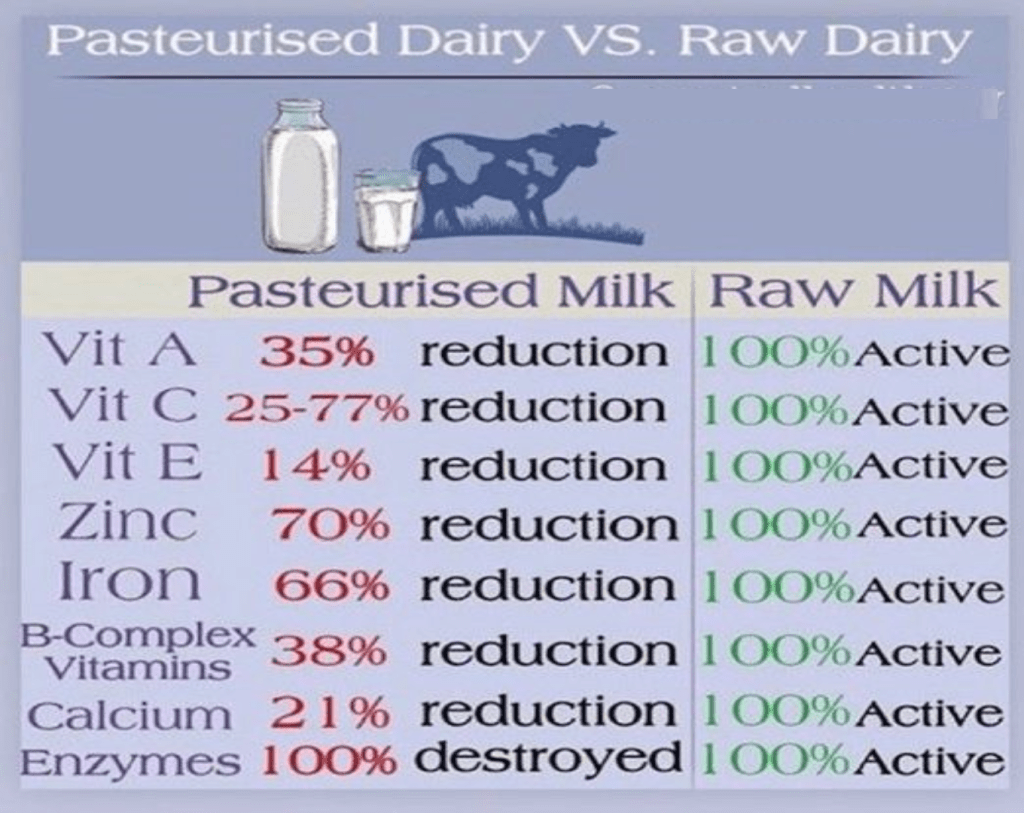
It is also best if it is from A2/A2 cows, or goats that have only A2 proteins. Without these, dairy can be inflammatory and may work against you in your efforts to find healing. Dairy also needs to be without additives like added calcium, which is calcium carbonate and hard to absorb, or added vitamin D, which is often D2 from inexpensive sources, but both D2 and D3 in milk are synthetic. And for maximum benefit, it should be fermented. One consuming non-fermented dairy also needs to keep in mind that commercial milk, yogurt, and kefir have sugar in them in the form of lactose. Lactose is half glucose, which hinders mineral absorption as well as vitamin C. However, it has also been reported that consuming too much calcium from dairy alone can reduce its absorption, and often only 25-35% of the mineral is used by the body as a result. (46)
Some sources of calcium from dairy are Halloumi Cheese and Parmesan Cheese (331 mg per oz./28 g), kefir (300 mg/oz.), (whole milk) yogurt (296 mg/oz.), buttermilk (284 mg/oz.), Gruyere Cheese (283 mg/oz.), Cottage Cheese (Ricotta Cheese 207 mg/oz.), whole milk (276 mg/oz.); hard cheddar, mozzarella, Swiss, and hard goat cheese (202 mg/oz.). Again, these should be only from organic, pasture-raised cows, sheep, or goats and should be non-pasteurized. (46) You’ll also need to watch for added calcium carbonate in most commercial dairy, as well as synthetic vitamins.
While there are other foods with calcium, care needs to be exercised when one considers including/excluding them in the diet. Many foods like nuts, grains, greens, seeds, and some fruits are high in calcium but have antinutrients(C) that will block, hinder, and/or prevent absorption, such as phytates and oxalates, which we’ll cover later.
While supplementation of calcium does not appear to affect the risk of death directly, there is an increased risk of myocardial infarction, kidney stones, and stomach problems with calcium supplementation. Supplementing calcium also increases the risk of more fractures. (56) Another major issue is that calcium neutralizes stomach acid, which can lead to acid reflux (a contributor to Leaky Gut) and cause constipation. This can lead to the malabsorption of nutrients and more. There are only a rare few individuals who have such severe gut health issues that they can eat only four or five foods so as to get enough calcium from food. These would be the only ones who should consider supplementing, and then only hydroxyapatite (MCHA) calcium should be explored. This is the same form as found in our bodies and bones. However, those supplementing even this form have developed acid reflux and have had to ask for help. Again, however, the results many believe they will get from supplementing may fall short as well. In a couple of studies, it was found that supplementing with calcium gave very little benefit. One showed only a 1% increase in bone mineral density (BMD) in the first year and then nothing after. (56b) Another study said supplemented calcium provided only a 1-2% increase in BMD up to possibly five years, with the authors stating this would “unlikely translate into clinically meaningful reductions of fractures. (56c) This appears to be very little gain for so much risk to one’s health.
One last little bit of trivia on calcium that some might find important, or at least of interest. Navajo Indians found a way to increase their calcium by burning juniper and eating the ash with their food. (57)
 Naturally Better Bones