Herbal supplements
Herbs have been used since the beginning of time for many reasons, but mostly for the health of the body, mind, and soul. Many have also come to be recognized as being good for the bones as well.
(H)E.L.P. For the Bones
Estrogen helps to regulate bone cells called osteoblasts, which are responsible for building new bone. Like many other nutrients/hormones we’ve already looked at, some are needed but not that much. This is another area where many (including doctors) have gone overboard. Estrogen, progesterone, and other hormones are important and play a part in building new bone tissue. But these need to be in balance.
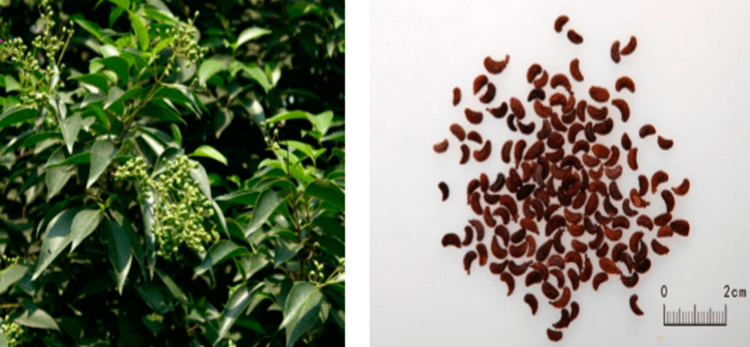
Some alternative practitioners have found several herbs, in particular, to help in treating osteoporosis naturally as an alternative to estrogen therapy, which some say is not considered safe. (1) This trio of Chinese herbs is commonly referred to as “E.L.P.” The acronym stands for Epimedium (Herba epimedii), Ligustrum (Fructus Ligustri Lucidi), and Prosalea (Fructus psoraleae)/ Psoralea corylifolia (Corylus).
According to a 2013 review of studies published in the Journal of Traditional and Complementary MedicineTrusted Source, a combination of these three herbs was studied for their effect on postmenopausal women. This formula, known as E.L.P., resulted in bone-protective effects in postmenopausal women. The herbs used are reported to have estrogen-like effects. (2)
There are more:
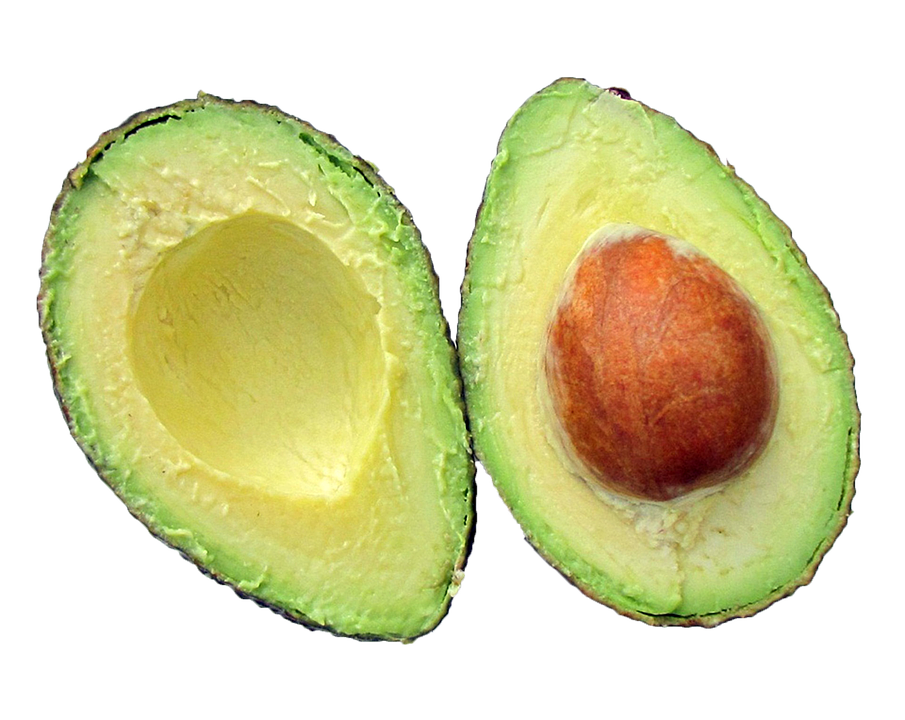 Avocado (Persea americana)
Avocado is great for osteoporosis since it’s rich in vitamin D, which helps to absorb and transport calcium to the bones. Avocado contains a great amount of healthy fat, which helps unclog the arteries. This is helpful as so many take calcium supplements that can cause calcification in the blood vessels and heart (something best avoided if possible.)
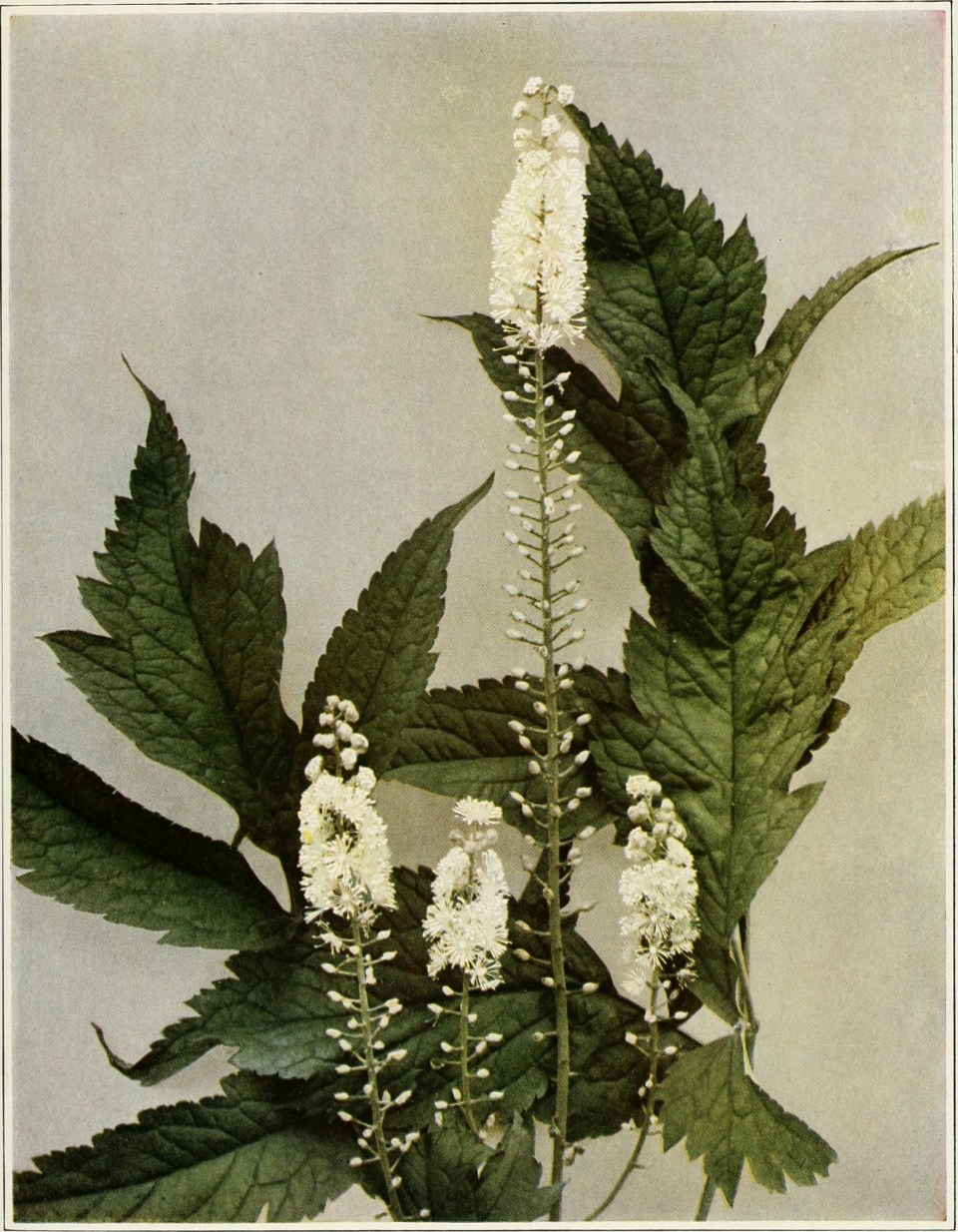 Black Cohosh (Cimicifuga racemosa L)
Native Americans used the root of the black cohosh as an herbal relief for menopause symptoms, menstrual cramps, and musculoskeletal disorders; this use continues today. Many have used it for addressing hormone imbalances. The phytoestrogens it contains have a history of balancing hormones and thereby benefiting bone health. Some traditional experts say the plant-based estrogens in black cohosh prevent osteoporosis. The theory is yet to be scientifically validated.
There are contraindications in the use of Black Cohosh; some will need to be aware of: Excess usage irritates the nervous system and can cause nausea. Avoid during pregnancy, except during the final stages, as it can cause miscarriage. Not for use during breastfeeding. Avoid if one has heart conditions. Large doses can cause low blood pressure, nausea, and vomiting. It can increase intraocular pressure, so avoid it for people with high eye pressure. (THP) For menopausal symptoms, the dose of black cohosh used in studies has been 20-40 milligram tablets of a standardized extract taken twice a day. Directions for taking black cohosh in other forms will vary. Some experts say that no one should take black cohosh for more than six months at a time. (WebMD)
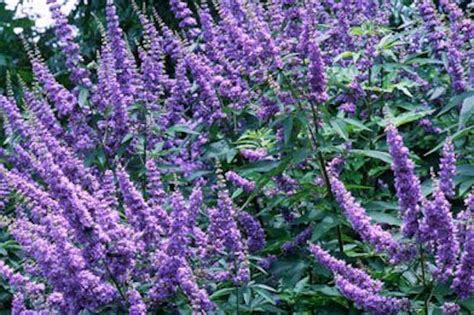 Chaste tree (Vitex agnus castus)
Chaste tree is a traditional remedy for menstrual pain and menopausal symptoms. It is the herb’s hormone-balancing effect that makes herbalists often recommend it for the treatment of osteoporosis.
Contraindications: Discontinue if diarrhea, nausea, or abnormal menstrual changes occur. Large doses can cause formication, a strange symptom where one feels as if ants are crawling on the skin. To improve hormonal problems with Vitex, the herb should be taken for at least six months. (THP)
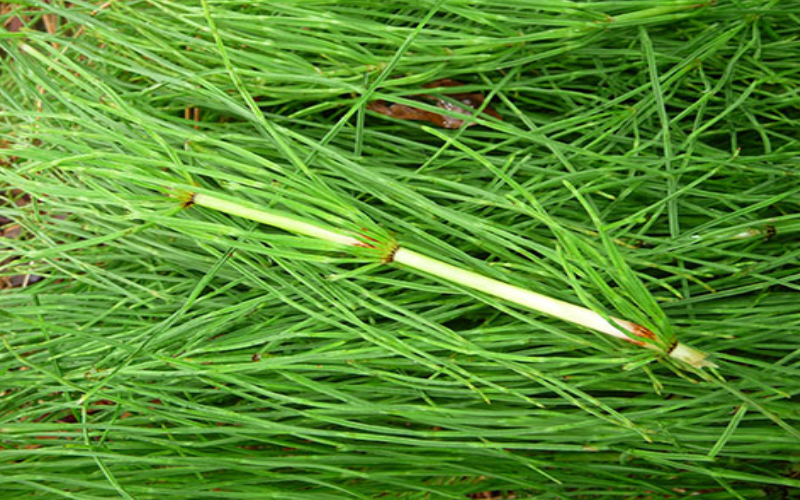 Horsetail (Equisetum arvense)
Horsetail is rich in silica and silicic acids. These help in the process of mending broken bones. They help to produce collagen, a key protein located in connective tissue, ligaments, bone, and cartilage. It is widely used as a medicinal herb for osteoporosis.
Horsetail also has some contraindications: Large amounts can be toxic due to the presence of the alkaloid equisetin. Long-term use is not recommended as it can cause a deficiency in vitamin B-1 due to an enzyme that destroys B-1. However, cooking and tincturing Horsetail destroys that enzyme, making the Horsetail safe for use. Horsetail should only be collected in the spring to minimize excessive selenium content. Long-term use can have irritating effects on the kidneys. (THP)
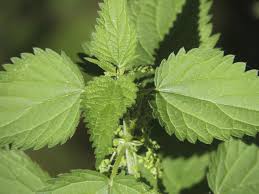 Nettle (Urtica dioica)
Stinging nettle is rich in amino acids, as well as, proteins, flavonoids, and many bone-building minerals (iron, calcium, magnesium, silicon, potassium, manganese zinc, copper, and chromium) and vitamins, including vitamin K (an important bone builder), vitamin C and most of the B vitamins (Ait Haj Said et al., 2015; Segneanu et al., 2017).
Contraindications: Touching the fresh plant can cause a burning rash. Wearing gloves when collecting can help prevent this, but hairs in large plants may still pierce through gloves. A Nettle sting can be soothed with a poultice of Yellow Dock, Plantain, or Nettle juice. Avoid eating the raw plant unless it is very young and you are very brave. Due to cystolitins, older leaves tend to irritate the kidneys more than young leaves. (THP)
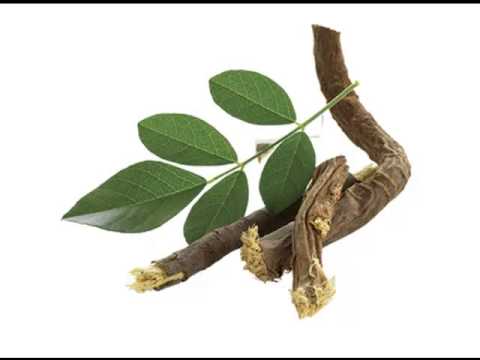 Licorice (Glycyrrhiza glabra)
Licorice is a strongly flavored herb also known as Sweet Root. It has been used medicinally for centuries in both Eastern and Western cultures to treat all manner of diseases and ailments. Among the many uses is osteoporosis. When taken in moderation, its key component, “glycyrrhizin,” is thought to balance hormones and therefore is beneficial in preventing and alleviating osteoporosis.
Contraindications with the use of Licorice (The most important side effects of licorice and glycyrrhizin are hypertension and hypokalemic-induced secondary disorders. It should be used with caution at least, if not under the supervision of a good Naturopath or Herbalist.) (3)
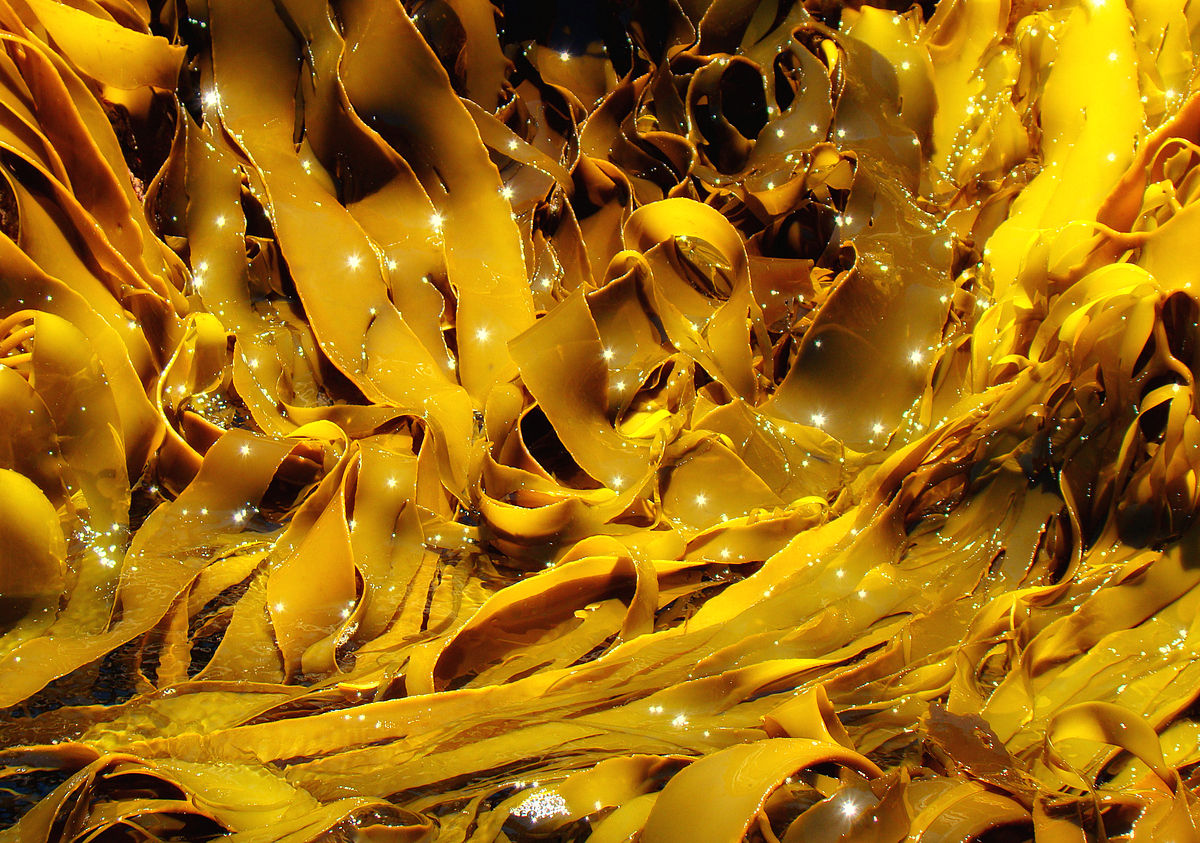 Kelp (Fucus vesiculosus L.)
Kelp has long been used to treat disorders of the reproductive system in addition to musculoskeletal diseases like osteoporosis. Kelp is rich in minerals and is therefore often recommended as a complementary remedy for osteoporosis.
Contraindications: Contains irritating fibers. Not for cold, weak people. Overuse can produce goiter-like symptoms. Collect plants that are still growing in the ocean rather than collecting ones washed up on the shore. Avoid collecting from polluted waters. Kelp can be high in iodine and heavy metals. (THP)(4)
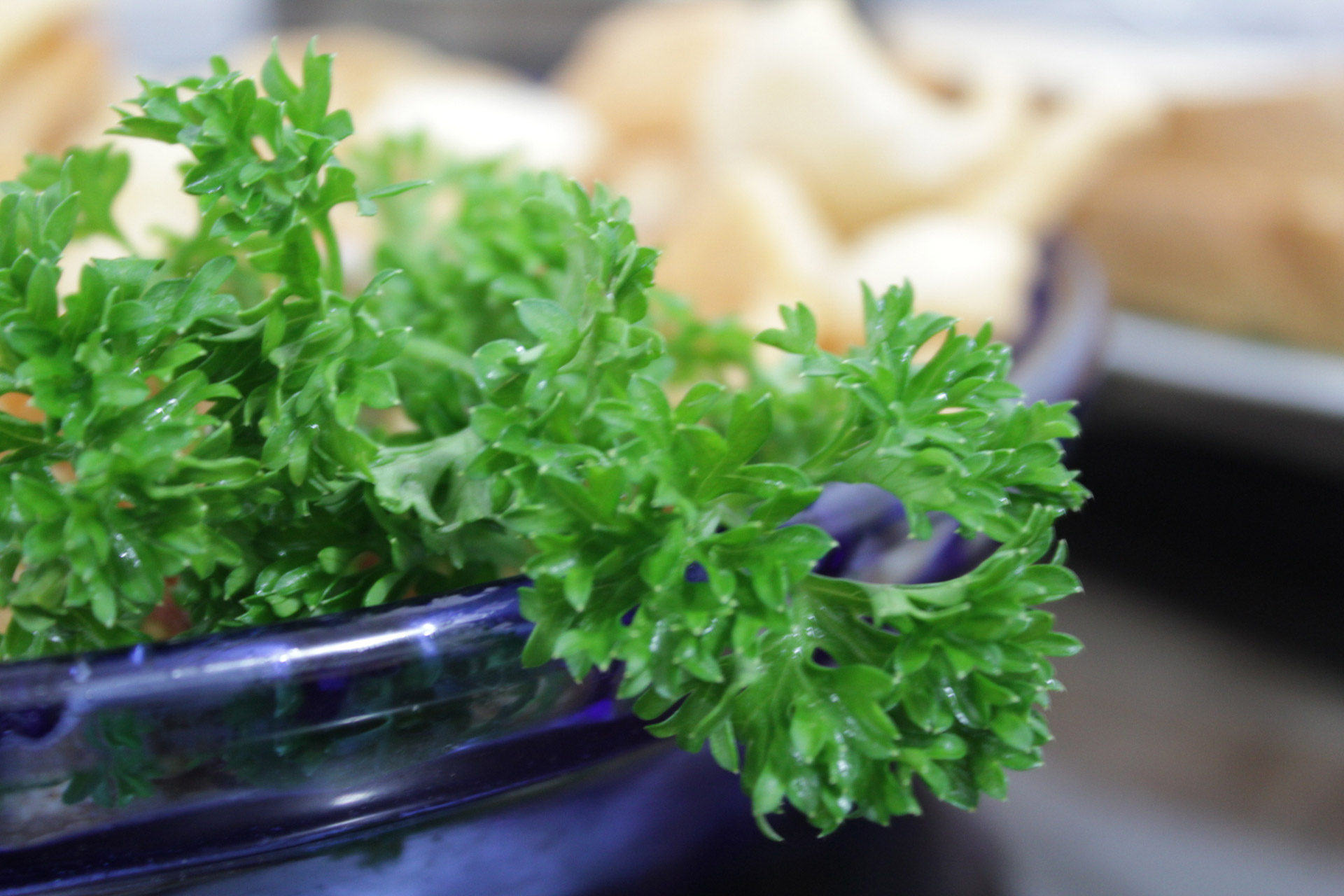 Parsley (Petroselinum crispum)
This dark green and strongly aromatic herb, which is often used as a spice or as a garnish, contains small concentrated amounts of boron. Boron is a trace mineral and helps with the activation of vitamin D, which controls the absorption and use of calcium. It would probably take a lot of parsley to get the needed amount of boron, but eating it regularly could have a beneficial impact.
Even Parsley has some contraindications. Large amounts are contraindicated during pregnancy, as apiole is a uterine stimulant. Some birds are poisoned by Parsley; however, most other animals eat it. Avoid excessive amounts of the seeds. (THP)
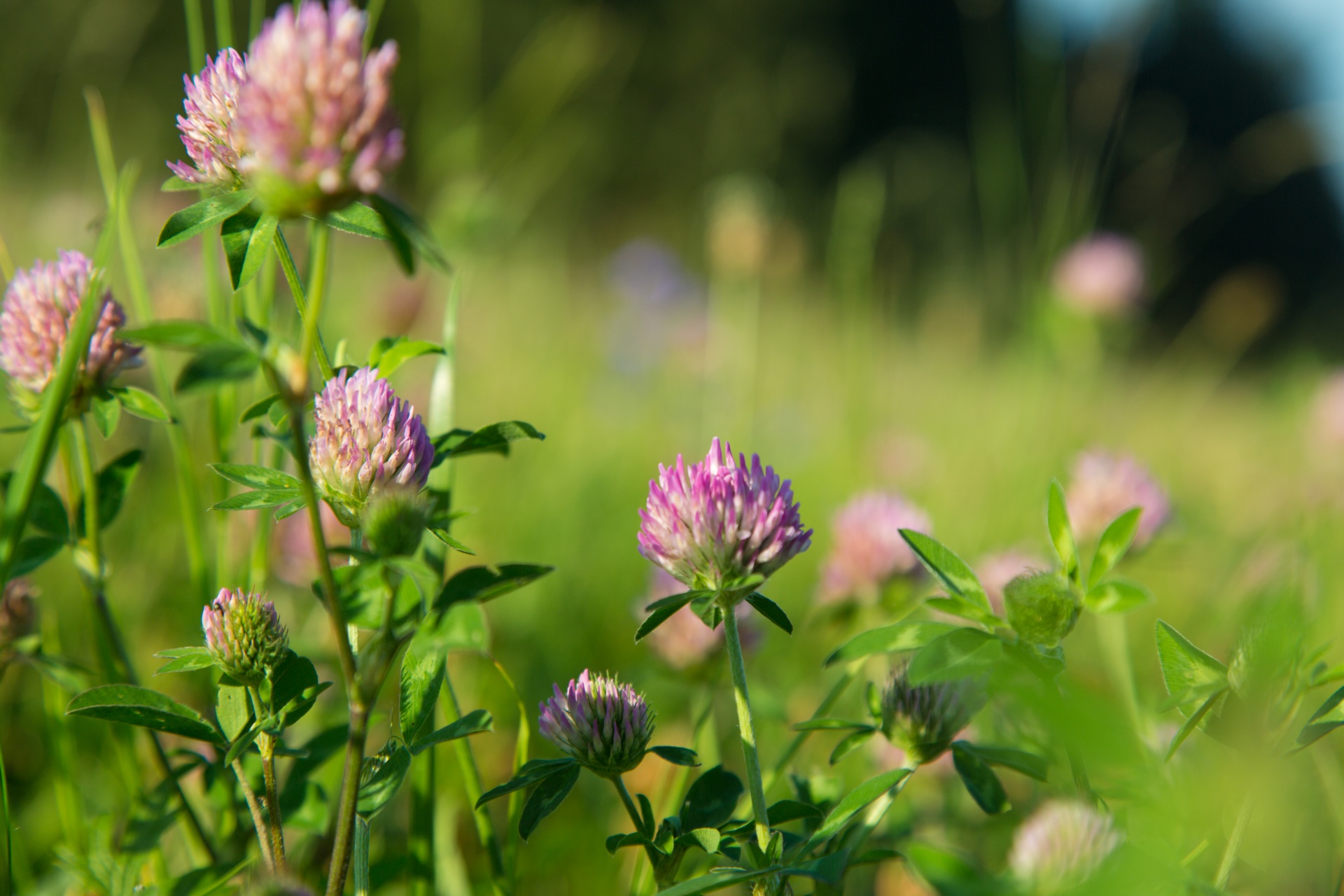 Red Clover (Trifolium pratense)
A decrease in bone density loss is associated with the high levels of isoflavones in this herb. There has been little scientific research conducted on the medicinal properties of this plant. Preliminary studies, however, alluded to by the University of Maryland Medical Center (UMMC), state that an extract of red clover isoflavones may decelerate bone density reduction while increasing the bone’s mineral density.
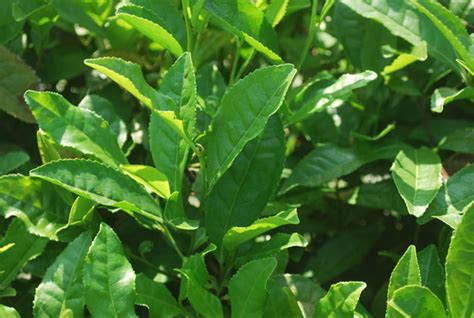 Tea (Camellia sinensis)
Preliminary studies suggest that a regular intake of green tea may improve bone mineral density in older women, but further studies are needed to confirm this. Although green tea contains caffeine, and caffeine is known to exacerbate osteoporosis, drinking green tea may actually protect against osteoporosis. The flavonoids found in green tea are thought to override the negative effects of the caffeine in it. (5)
Believe it or not, Tea also has contraindications governing its use. Excessive use may cause nervous irritability and digestive distress, such as ulcers. It can be addictive. Avoid in cases of hypertension and avoid large doses during pregnancy and nursing. Adding milk to tea helps neutralize some of the tannins, although it inactivates antioxidant actions and has other negative properties. (THP)
(Supporting Reference: [Journal of Food and Drug Analysis, Vol. 18, No. 4, 2010, Pages 279-289] for the above)
Still more?
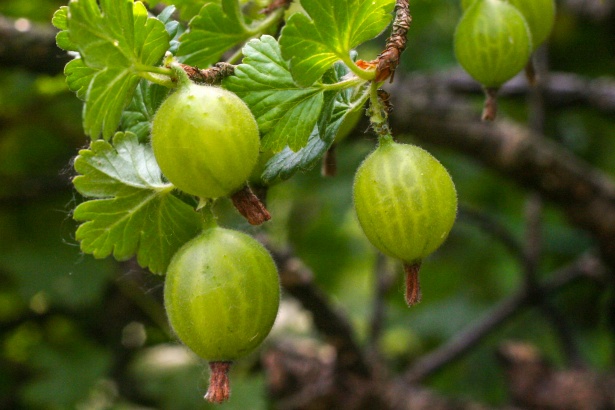 Amla (Phyllanthus emblica)
Amla, in addition to being close to twenty times higher in vitamin C than oranges, enhances cellular regeneration. In Sanskrit, this herb is called Amalaki or Dhartiphala and is used in Ayurveda to reverse and heal osteoporosis.
In 2008, the Journal of Complementary Alternative Medicine published an article concerning Amla for the treatment of Osteoporosis.
This article is titled, Induction of apoptosis of human primary osteoclasts treated with extracts from the medicinal plant Emblica officinalis (Amla) and it presents research done by Letizia Penolazzi, Ilaria Lampronti, and Roberto Gambari.
In the study, researchers found that Amla-induced osteoclast cells underwent programmed cell death. Since Osteoclasts are our bone-removing cells, their death would mean that less bone is removed. As a result, bone density can increase. (6)(7)
Other herbs traditionally used include:
- Wild yam (Dioscorea villosa)
Diosgenin or wild yam is often promoted as a “natural alternative” to estrogen therapy, so you will see it used for estrogen replacement therapy, to address vaginal dryness in older women, PMS (premenstrual syndrome), menstrual cramps, and osteoporosis. (9)
Contraindications: Avoid large doses during pregnancy unless so directed by a health professional.
Oatstraw (Avena sativa) is the stem and the milky grain of the oat plant. It is loaded with calcium, potassium, and vitamins A and C. If you want a calcium supplement, just drink a cup of an organic oatstraw infusion a day. (10) (Infusions are prepared differently and are stronger than commercial tea.)
- Alfalfa (Medicago sativa)*
The roots of the alfalfa plant contain essential vitamins, minerals, and additional compounds that act as a natural cure for osteoporosis. Alfalfa is especially rich in calcium, magnesium, phosphorus, and vitamin D- all of which are useful in the treatment of osteoporosis. (The upper portion of the plant contains antinutrients; use the roots.) (11)
Contraindications: The herb is considered very safe; however, there has been some concern about the safety of eating large amounts of the sprouts, which contain the alkaloid, canavanine. Those with lupus and rheumatoid arthritis should avoid eating Alfalfa sprouts; however, the leaves and flowers are considered safe for everyone, but do contain antinutrients.
- Coriander (Coriandrum sativum)
Both coriander leaves and seeds are rich in calcium, potassium, and manganese, along with magnesium and iron, as well as vitamin C. Calcium and manganese play a key role in treating and preventing weak bones. These nutrients also help reduce spinal bone loss in older women. Mix two teaspoons of coriander seeds in a cup of hot water. Cover and steep for five to 10 minutes. (12)
Contraindications: Excessive use can have a narcotic effect.
- Lady’s Mantle (Alchemilla Vulgaris)
A study published in 2012 investigated extracts of A. Vulgaris (lady’s mantle) to determine their phenolic composition. The researchers detected 24 different constituents, including chlorogenic and gallic acids and various flavonoids, including quercetin glycosides. (13) Quercetin, one of the most widely distributed flavonoids in plants, possesses antioxidant properties and a beneficial effect on osteoporosis in ovariectomized mice. (14)
Contraindications: Avoid during pregnancy, except that it can be taken 10 days before the expected birth to prevent excessive bleeding.
Red Sage (Salvia miltiorrhiza)
Red sage, according to a study, could also potentially be used to treat other bone and cartilage diseases such as arthritis. And it could be an important new weapon in the fight against osteoporosis. (15)
Contraindications: Avoid large doses during pregnancy or for extended periods. Nursing mothers should avoid large doses as they can dry up breast milk. Those with epilepsy may be adversely affected by the thujone content and should avoid large doses of Sage. (THP)
Ashwagandha (Withania somnifera)
Ashwagandha is said to help bones heal faster. (16) It has many properties that can help mend broken bones, including being an adaptogen, helping the body to adapt. It is anabolic, meaning it stimulates metabolic growth, which helps bone grow. It’s an analgesic, giving relief from the pain associated with a break or fracture. It is anti-inflammatory, helping to reduce inflammation. Among other things, it is also an immune stimulant, aiding the body’s immune processes. It’s nutritive, boosting nutritional processes. And it’s a tonic improving general health and well-being, as well as building energy, blood, and chi (life force). (THP)
Other benefits of Ashwagandha in treating breaks and fractures are
- Increase in the expression of the bone-producing genes, especially in the femur, and regeneration of cortical bones
- Increase in the number of pre-osteoblast cells (bone-forming cells) in the bone marrow
- Improvement in the micro-architecture in the spongy part of the long bones, which helps support your movements
- Increase in the biomechanical strength of the vertebrae and the femur
- Decrease in the expression of the osteoclast genes that promote resorption
- Regeneration of cortical bones at drill-hole sites in the femur bone and bridging of all cortical gaps with woven bone (17)
Contraindications: Although Ashwagandha is generally regarded as safe (GRAS), it is of the Solanaceae (nightshade) family and may cause inflammatory issues for some. (THP) But there are others.
When taken by mouth: Ashwagandha is POSSIBLY SAFE when taken for up to 3 months. The long-term safety of ashwagandha is not known. Large doses of ashwagandha might cause stomach upset, diarrhea, and vomiting. Rarely, liver problems might occur.
When applied to the skin: There isn’t enough reliable information to know if ashwagandha is safe or what the side effects might be.
Special Precautions & Warnings:
Pregnancy and breastfeeding: It is LIKELY UNSAFE to use ashwagandha when pregnant. There is some evidence that ashwagandha might cause miscarriages. There isn’t enough reliable information to know if ashwagandha is safe to use when breastfeeding. Stay on the safe side and avoid use.
Diabetes: Ashwagandha might lower blood sugar levels. This could interfere with medications used for diabetes and cause blood sugar levels to go too low. If you have diabetes, monitor your blood sugar closely.
High or low blood pressure: Ashwagandha might decrease blood pressure. This could cause blood pressure to go too low in people with low blood pressure, or interfere with medications used to treat high blood pressure. Ashwagandha should be used cautiously if you have low blood pressure or take medications for your blood pressure.
Stomach ulcers: Ashwagandha can irritate the gastrointestinal (GI) tract. Don’t use ashwagandha if you have a stomach ulcer.
“Auto-immune diseases” such as multiple sclerosis (MS), lupus (systemic lupus erythematosus, SLE), rheumatoid arthritis (RA), or other conditions: Ashwagandha might cause the immune system to become more active, and this could increase the symptoms of auto-immune diseases. If you have one of these conditions, it’s best to avoid using ashwagandha.
Surgery: Ashwagandha may slow down the central nervous system. Healthcare providers worry that anesthesia and other medications during and after surgery might increase this effect. Stop taking ashwagandha at least 2 weeks before a scheduled surgery.
Thyroid disorders: Ashwagandha might increase thyroid hormone levels. Ashwagandha should be used cautiously or avoided if you have a thyroid condition or take thyroid hormone medications.
There are also interactions you might want to be aware of. . . (18)
Lakshadi Guggul is a herbal supplement used in Ayurveda to address both Osteoarthritis and Osteopenia/Osteoporosis. It contains 6 herbs:
- Laksha is a gum from Ficus religiosa, which has properties that help in healing broken bones.
- Asthisamhari helps strengthen bones.
- Arjun is a calcium-rich herb that is used in conjunction with other herbal formulas for the healing of wounds.
- Ashwagandha (cover above in detail)
- Naagbala is an herb that gives strength to the bones and increases stamina.
- Guggul is used more so to address osteoarthritis, but is also used for low bone density.
(See Product label for any contraindications or warnings)
*Be sure it is organic
So – is that all? Nope! Well, not any that would be used as those above. But there is something else about some herbs that helps with osteoporosis. One of the important nutrients we’ve already looked at is vitamin K2. Some of the better forms of K2 come from, (wait for it) – you guessed it, HERBS!
There is yet another area where herbs can help. Although one or two companies make outlandish claims that certain essential oils can “reverse” osteoporosis by themselves, the evidence is yet to be seen. However, studies have found that two herbal essential oils have benefited bone remodeling.
“Our results clearly show that essential oils and monoterpenes of thyme and rosemary, which are widely used as food additives and in various medical applications, are effective inhibitors of bone resorption and have numerous benefits on bone formation and against inflammation. However, thyme has a more protective effect than rosemary against bone resorption and osteoporosis.” (19)
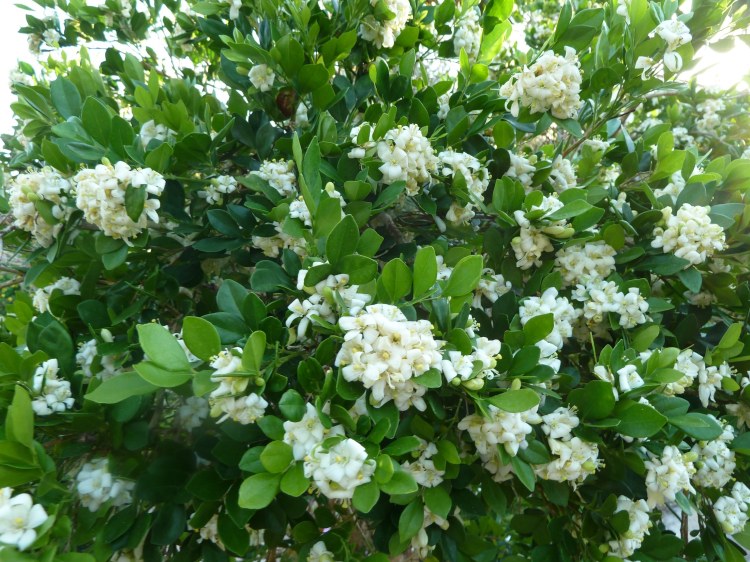
In this additional portion, you can read about herbs that naturally contain “geraniol,” which is one source used in vitamin K2 products and is especially found in Orange Jasmine Leaf (first photo above). It may be found that these, too, provide nutrient benefits in the form of vitamin K2, a necessary vitamin that aids in bone remodeling and the prevention of heart and blood vessel calcification. You can read more on these here: “Sources For Geraniol (vitamin K2)“
More herbs may yet be discovered that may help sufferers find HELP and HEALING for Osteoporosis.
 Naturally Better Bones