
Although almost identical to most of the other bone support products like it, Citrical is loaded with some of the same poisons that you would do best to avoid.
Below is a list of ingredients found in the Citracal Maximum Plus Highly Soluble formula.
INGREDIENTS: Calcium Citrate, Polyethylene Glycol, Croscarmellose Sodium; Less Than 2% of: Hydroxypropyl Methylcellulose, Magnesium Silicate, Magnesium Stearate, Manganese Gluconate, Oligofructose Enriched Inulin, Polyvinylpyrrolidone, Propylene Glycol Dicaprylate/Dicaprate, Titanium Dioxide (color), Vitamin D3 (Cholecalciferol), Zinc Oxide.
Notice the first ingredient is Calcium mixed with Citrate. So now we have to dissect both calcium and citrate.
- Calcium should not be supplemented for many reasons, but to name the more common, it leads to heart attacks, significantly increasing the risk. It also causes kidney stones, especially when mixed with the hormone vitamin D3. It increases bone loss and the risk of fractures. It also decreases stomach acid needed for proper digestion and nutrient absorption. This has led to some suffering from reflux that does not clear up without stopping the calcium, and much work to repair the system. It has also been known to cause constipation. Additionally, Calcium should never be more than 500 mg, and this dose is 650 mg per serving. Since it has no magnesium, this is also not matched as calcium should be matched equally or higher by magnesium, making this even riskier. Lastly, calcium found in most similar products is cheap carbonate calcium, with no amino acids to make it chelated and more bioavailable.
- Citrate is covered in the Antinutrients article from the blog site and found in the files. Among other significant side effects, it pulls minerals from the bones. While some may try to dispute its effects, they have been noted in many cases to also create kidney stones (See The Calcium Lie 2 by Dr. Robert Thompson) and lead to kidney damage with long-term use, even if from food-grade pharmaceutical sources. And since most producers of supplements use cheap Citrate, some have also acquired Aspergillus toxicity.
- Next up is an ingredient found in many products and beverages, as well as other bone support products: Polyethylene Glycol is the primary ingredient in Antifreeze, and despite being regarded as safe, it is not something you want to put in your body.
- Hydroxypropyl Methylcellulose (HPMC) is a non-fermentable semi-synthetic dietary fibre, based on cellulose; it is a polymer and another that, while regarded as safe, is not the best thing, but not as critical as some of the other ingredients.
- Magnesium salicylate is a common analgesic and non-steroidal anti-inflammatory drug (NSAID) used to treat mild to moderate muscular pain. It is also used to treat headaches, general back pain, and certain joint pains like arthritis. (Wikipedia) What is important about this substance is that NSAIDs destroy the gut lining and lead to Leaky Gut, throwing off nutrient absorption. It can take up to two years in some cases to repair the gut.
- Magnesium Stearate is covered in the Antinutrients article as well, and while somewhat debatable, it has some ill side effects.
- Oligofructose-enriched inulin, while being said to help with calcium absorption, may present other issues with the absorption of calcium, vitamin C, and other minerals. Inulin is a term applied to a heterogeneous blend of fructose polymers found widely distributed in nature as plant storage carbohydrates (sugars), which means it can hinder the absorption of vitamin C and minerals.
- Polyvinylpyrrolidone, also known as povidone or PVP, is used in the pharmaceutical industry as a synthetic polymer (plastic) vehicle for dispersing and suspending drugs. It can produce some unwanted and unexpected side effects that include drowsiness, dizziness, hypotension (can drop blood pressure), or a headache, and it is suggested that when using Polyvinylpyrrolidone medicine, it may not be safe to drive a vehicle or operate heavy machinery.
- Propylene Glycol Dicaprylate/Dicaprate means more antifreeze.
- Vitamin D3 (Cholecalciferol) is also included, which should not be supplemented, at least not with synthetic D3 such as this. And whenever D3 is taken, it must also be matched by vitamin K2 @ 100 mcg. per 1000 I.U. of D3. This has no K2.
- Zinc is the next ingredient. While zinc is fine, it needs to be matched with copper. The packaging doesn’t even show copper, though the facts label on some show copper @ .45 mg. The proper ratio is 1 mg per 7.5 mg of zinc. This has 5.5 mg of zinc, so it is slightly short on copper.
- Manganese
- Sodium
As with all other bone support products I’ve reviewed, it has synthetic chemical ingredients, disproportionate dosages, and antinutrients. Another bone support product that should be avoided.
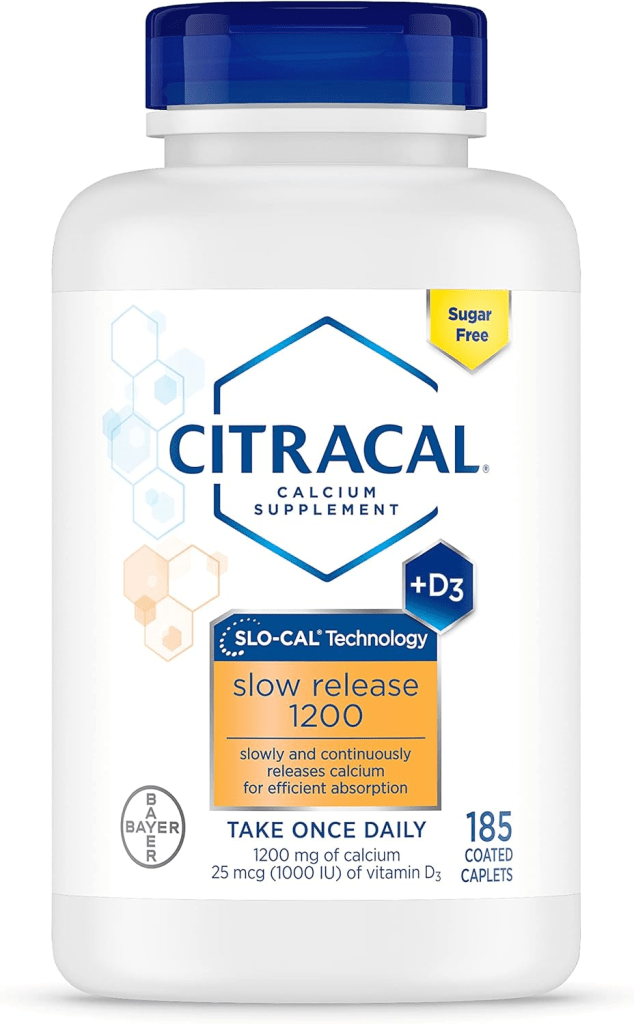
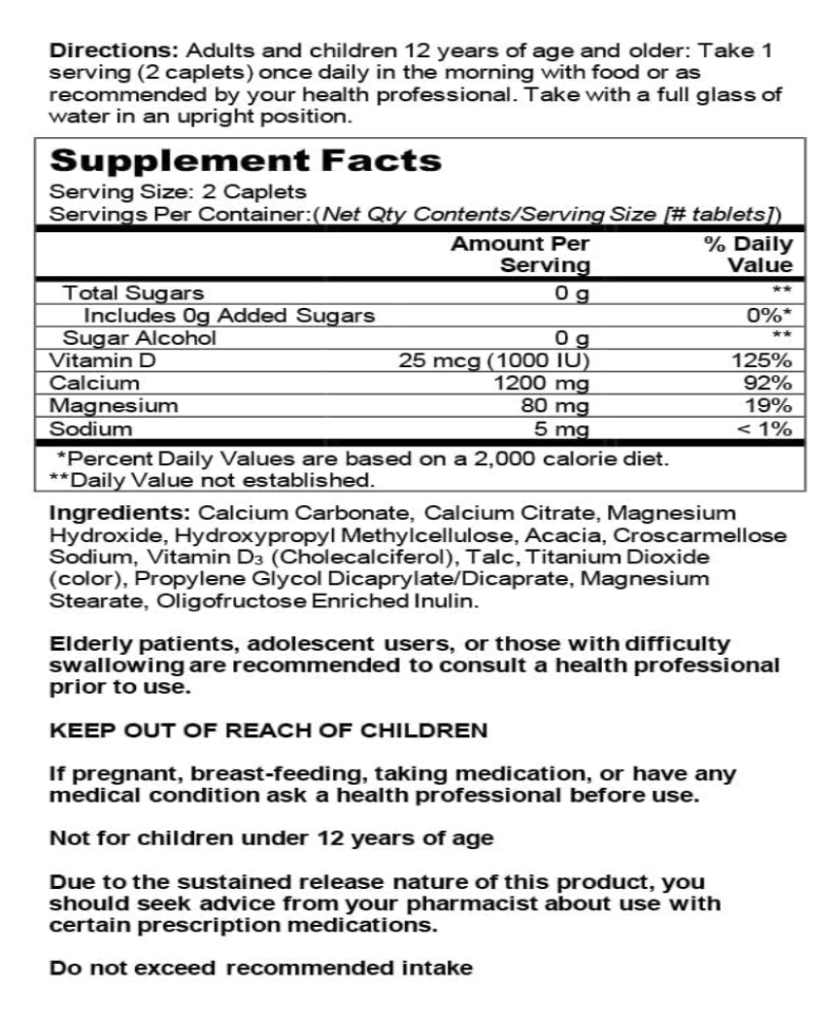
Citrical also makes a “slow-release” formula. The basic difference is that it contains “Talc,” which has been shown to have associations with various cancers. 1 2
This is a page from “Opening the Doors to Reversing and Healing Osteoporosis”.
© Copyright Douglas K. Johnson 2023, 2026 – All rights reserved
References:
 Naturally Better Bones