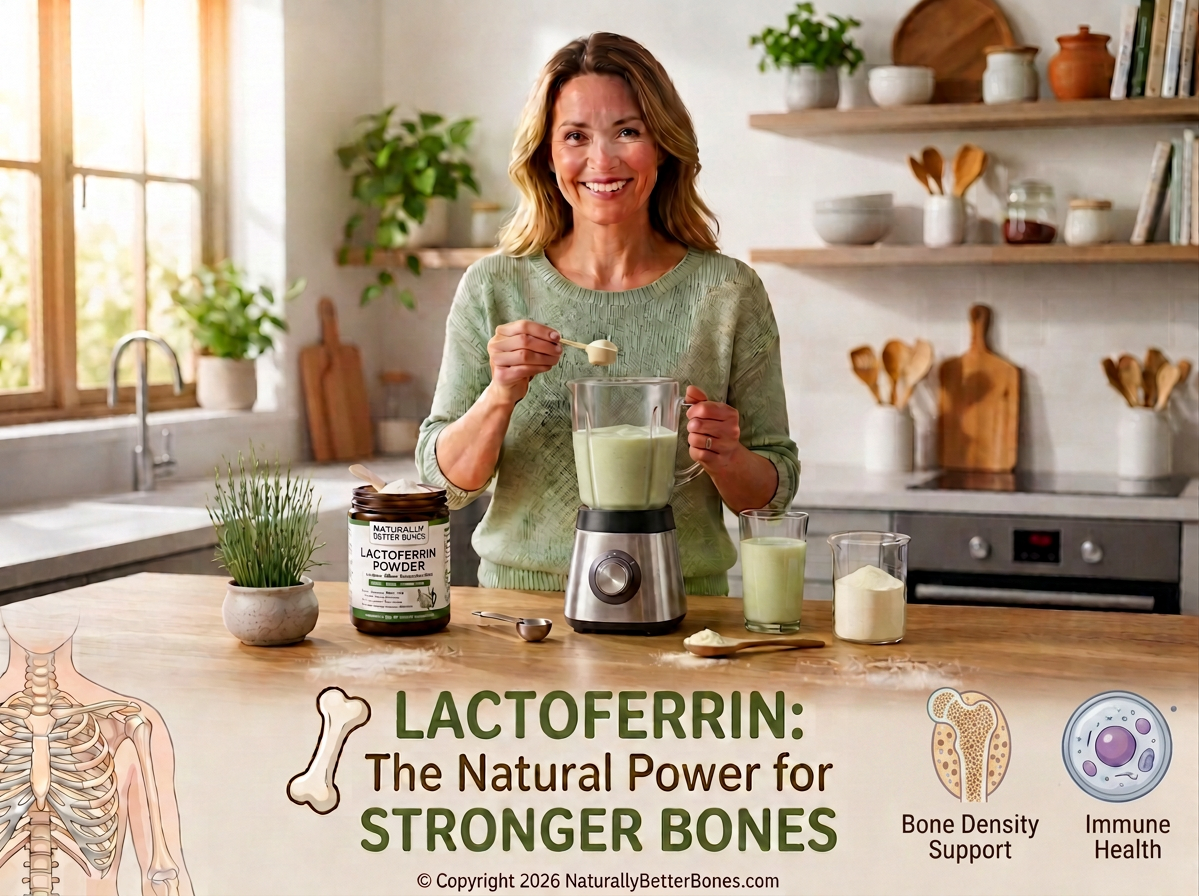
Osteoporosis weakens bones over time, increasing fracture risk—especially after menopause or with aging. While the right nutrients from food and diet, as well as weight-bearing and other bone-strengthening and balance exercises, and natural treatments form the foundation of care, emerging research highlights lactoferrin as a promising natural support for healthier bone remodeling. Here’s what lactoferrin is, how it may help bones, why the right supplements can make sense, how to choose quality sources, and practical ways to use it.
What Is Lactoferrin?
Lactoferrin is a multifunctional iron-binding glycoprotein found naturally in milk (especially colostrum, the first milk after birth), saliva, tears, and other bodily fluids. It plays roles in immune defense, iron regulation, and inflammation control. Bovine (cow-derived) lactoferrin is the form most studied and available in supplements; it shares significant structural similarity with human lactoferrin. Beyond general wellness, research shows it influences bone cells directly.
How Lactoferrin Supports Bone Health and Osteoporosis
Bones constantly remodel: osteoblasts build new bone while osteoclasts break down old bone. In osteoporosis, this balance tips toward excess breakdown, leading to lower bone mineral density (BMD) and weaker structure. Lactoferrin helps restore better balance in several ways:
- It stimulates osteoblast proliferation, differentiation, and mineralization while protecting these bone-building cells from stress-related death (apoptosis).
- It inhibits the formation of osteoclasts (osteoclastogenesis), partly by improving the OPG/RANKL ratio—favoring protective osteoprotegerin over the signal that drives resorption.
- Key pathways involved include IGF-1, LRP1, TGF-β, BMPs, and related signaling that promote formation and limit breakdown.
- Animal studies (especially ovariectomized rats and mice modeling postmenopausal osteoporosis) show oral lactoferrin can preserve or improve bone mass, trabecular structure, microarchitecture, and mechanical strength in a dose-dependent manner. It raises formation markers and lowers resorption markers.
- Limited human data, including a study in postmenopausal women using a lactoferrin-ribonuclease combination, reported favorable shifts in bone turnover markers (reduced resorption markers and increased formation markers) over several months when taken with calcium.
Indirect benefits may also come from effects on gut microbiota, reduced inflammation, and support for related systems that influence bone. Evidence is strongest in laboratory and animal research, with encouraging but still limited human clinical data focused mainly on markers rather than large-scale fracture reduction. It is not a proven replacement for standard osteoporosis therapies.
Why Consider a Lactoferrin Supplement?
Everyday milk provides only small amounts of lactoferrin (typically 0.1–0.2 mg per mL) but, in general, is not ideal as a source of lactoferrin and presents other conflicts in both health and benefits to bones. Concentrated supplements deliver the higher intakes linked to the observed effects in studies. People exploring natural approaches often turn to it for:
- Supporting the formation–resorption balance that declines with age or estrogen loss.
- Potential synergy with calcium, vitamin D, protein, and lifestyle measures.
- Additional general benefits such as immune and iron-related support.
It works best as part of a broader natural bone-health strategy—not as a standalone cure.
Best Sources and How to Choose Quality Products
Most research and commercial products use bovine lactoferrin extracted from cow’s milk. Look for:
- High purity (often 90–95%+ lactoferrin).
- Reputable, well-characterized ingredients (some use patented forms such as Bioferrin).
- Third-party testing for identity, purity, and contaminants, plus transparent Certificates of Analysis.
- Minimal fillers and careful processing (e.g., freeze-dried) to preserve activity.
- Apo-lactoferrin (low iron saturation) or partially saturated forms, depending on your goals.
Established brands with clear sourcing tend to be more reliable than generic low-cost options. Dietary sources like milk or colostrum offer smaller amounts, but most milk is pasteurized, leaving it less beneficial and possibly harmful, and many colostrum supplements are sourced from pasteurized milk and are not clean. Recombinant or precision-fermentation forms exist but currently have less bone-specific research behind them. Always check for dairy allergen labeling if relevant.
Suggested Use and Dosage for Bone Support
There is no official standardized dose specifically proven for osteoporosis. Practical ranges drawn from studies and general adult use are typically 100–400 mg per day of lactoferrin, with many protocols falling in the 200–300 mg range. One human bone-marker study used about 125 mg daily (in combination). Broader safety data support common supplemental intakes in this neighborhood for weeks to months.
Practical tips:
- Start lower (around 100–250 mg) and assess tolerance.
- Take consistently; marker changes in studies appeared over months.
- Pair with adequate calcium, vitamin D, protein-rich foods, and weight-bearing or resistance exercise for comprehensive natural support.
- Follow the product label and consult a healthcare professional for personalized advice, especially if you have osteoporosis, take medications, have iron-related conditions, or dairy sensitivities.
Lactoferrin is generally well-tolerated at typical doses. Very high intakes may increase the chance of mild digestive effects in some people.
Important Caveats
Lactoferrin shows biological promise and supportive preclinical evidence for bone remodeling, but large long-term human trials confirming reduced fracture risk are still limited. It should complement—not replace—proven approaches: medical evaluation, vitamin and mineral sufficiency, exercise, and fall prevention. Discuss supplementation with your doctor or a qualified practitioner before starting, particularly if you have existing health conditions or take other supplements/medications.
Closing Thoughts
Lactoferrin offers an interesting natural option for those seeking to support bone formation and limit excess resorption. By understanding what it is, choosing a high-quality bovine source, and using it thoughtfully alongside foundational lifestyle measures, many people incorporate it as part of a proactive approach to long-term bone strength. Stay consistent with the basics, stay informed by evidence, and work with professionals (preferably natural physicians/therapists) to tailor what works best for your body. Stronger bones are built over time through smart, sustained habits.
For a clean suggestion, try
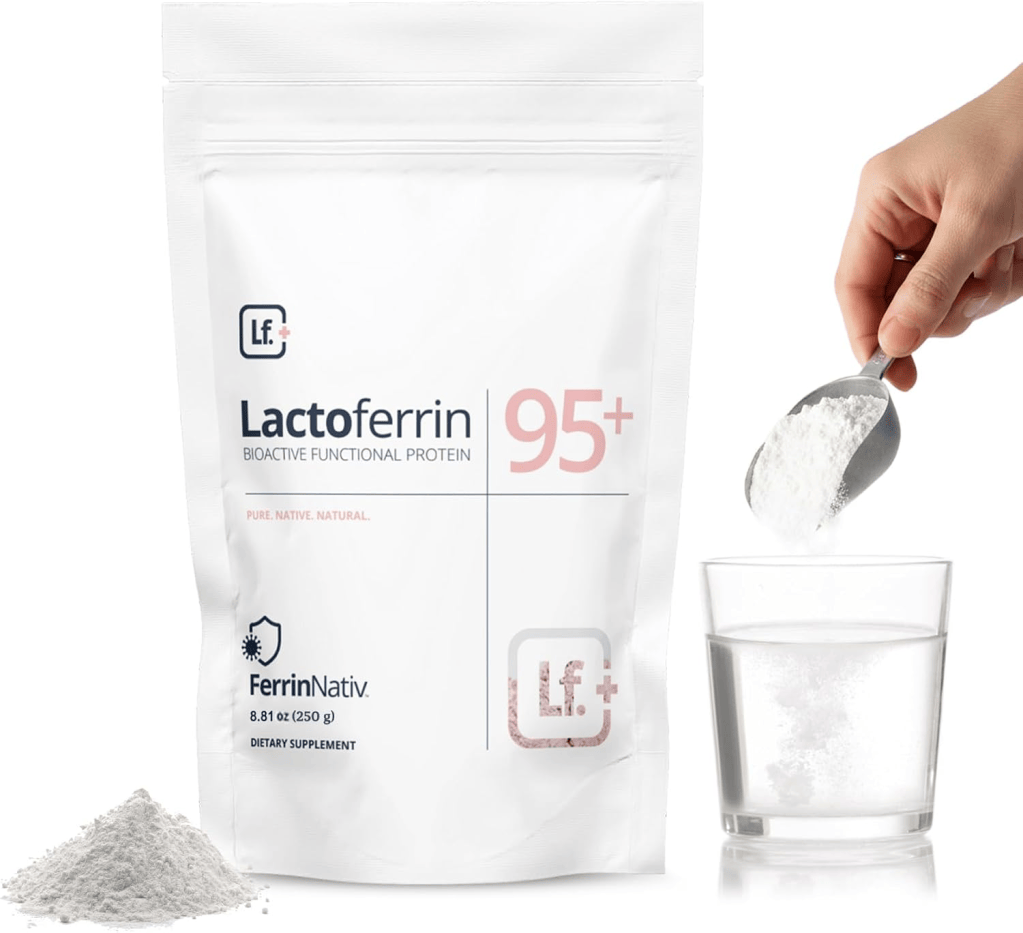
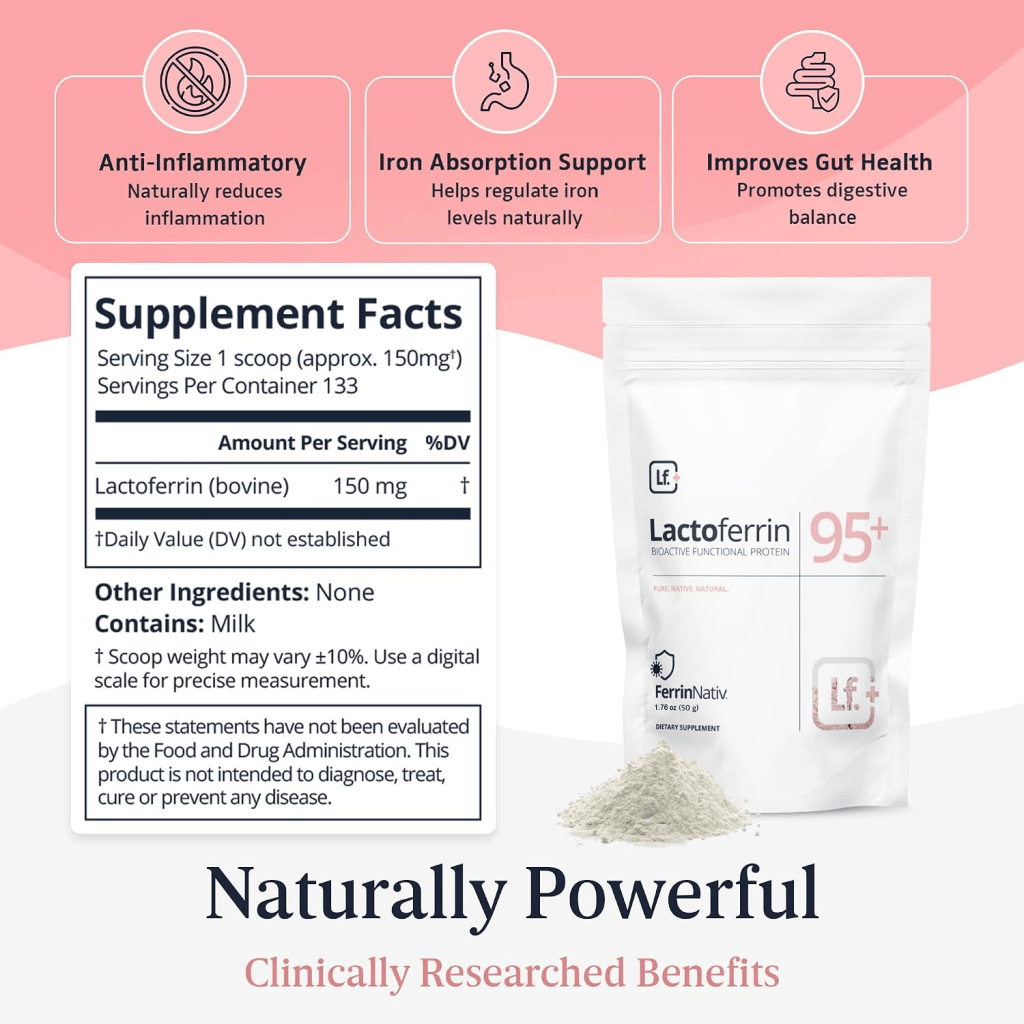
(Non-affiliate): Lactoferrin (from grass-fed cows from Australia) from Amazon:
This is a page from Opening the Doors to Reversing and Healing Osteoporosis by Douglas K. Johnson
© Copyright 2020 Douglas K. Johnson /NaturallyBetterBones.com All rights resered

